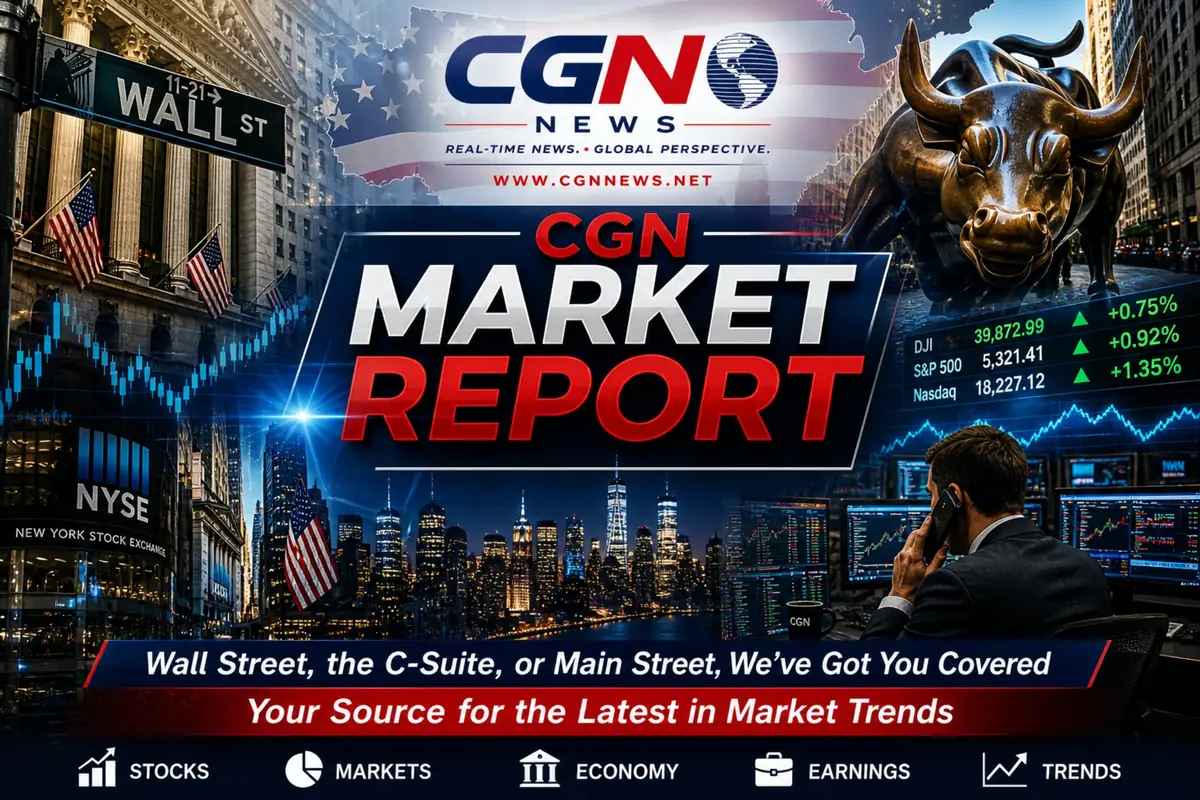
NEW YORK | U.S. stocks ended at record highs even as inflation data and a major Federal Reserve leadership change made the policy outlook more complicated.
Reuters reported that the S&P 500 and Nasdaq closed at record highs, helped by strength in chip shares. The move came the same day Reuters reported that U.S. producer prices posted their biggest increase in four years in April, boosted by higher costs for goods and services.
The inflation data matters because it pushes against the market’s preference for easier financial conditions. Producer prices are not the same as consumer prices, but they can signal upstream cost pressure that may eventually reach businesses and households.
At the same time, Kevin Warsh won Senate confirmation as the next Federal Reserve chair. Reuters reported that Warsh was approved as inflation concerns intensified, creating a difficult opening environment for the incoming chair.
The market reaction shows the split screen. Equity investors are rewarding companies tied to AI, chips and technology growth. Bond and policy watchers are focused on whether hotter inflation limits the Fed’s room to cut rates or forces a more cautious message.
The Trump-Xi summit adds another layer. If trade tensions ease, risk appetite could improve. If the Iran war keeps energy costs elevated or U.S.-China technology tensions deepen, inflation and supply-chain concerns could return quickly.
What is confirmed is that investors are still willing to buy growth despite hotter inflation data. What remains uncertain is whether the Fed under Warsh can satisfy markets and the inflation mandate at the same time.
For now, the market is voting for earnings, chips and liquidity. The policy question is whether that confidence survives the next inflation print, the next Fed meeting and the next development from Beijing.