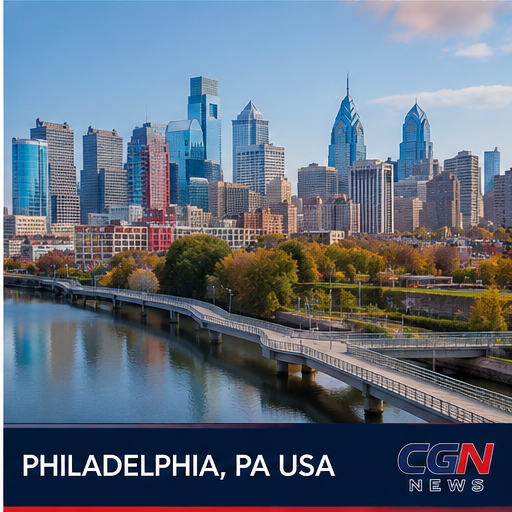
PHILADELPHIA | Philadelphia’s 2026 event year is becoming a real-time test of whether transit, visitor services and small-business programs can handle global attention without losing neighborhood usefulness.
The city reported that transportation providers, visitor-serving organizations and businesses saw increased activity during the opening week of World Cup matches. SEPTA reported at least 26,000 passengers boarded the B Line at NRG Station after the 19 June match, up from 18,806 after the first Philadelphia match on 14 June. Separately, the city opened another round of Boost Your Business, a program aimed at helping eligible businesses grow, win contracts, increase revenue and create jobs.
The local business question
Large events can bring foot traffic, hotel demand and national visibility. They can also concentrate benefits around venues and established visitor corridors unless smaller firms are ready to participate. That is why transportation planning and business-readiness programs belong in the same conversation.
What is confirmed is that Philadelphia has seen higher match-day transit activity and is promoting business-support programs through the Department of Commerce. What remains unclear is how much of the event-year spending reaches neighborhood firms outside the most obvious tourist lanes.
For CGN Philadelphia readers, the question is not whether the World Cup brings crowds. It is whether the city turns the crowds into lasting business relationships, smoother transit habits and a stronger civic playbook for the rest of 2026.
Additional Reporting By: City of Philadelphia; City of Philadelphia Department of Commerce.