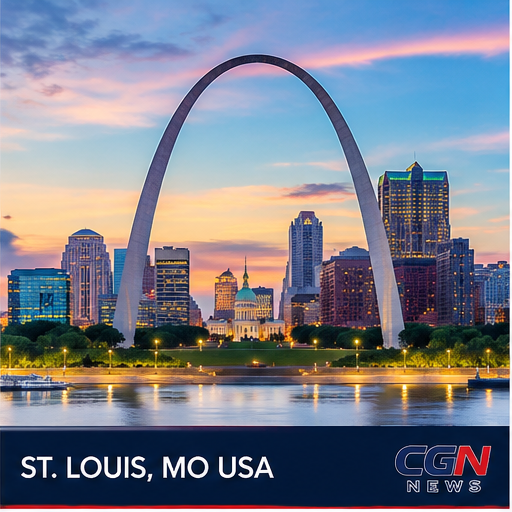
ST. LOUIS | The Fourth of July weekend is bringing fireworks back to the center of neighborhood conversations across the St. Louis region, but the basic rule for residents is not as simple as whether fireworks can be purchased in Missouri.
FOX 2 St. Louis reported that fireworks rules in the St. Louis area vary by place, with some communities allowing limited use and others banning consumer fireworks entirely. That distinction matters because fireworks that can be bought legally at a seasonal stand may still be illegal to discharge at a particular home, apartment complex, park, street or municipal boundary.
The result is a familiar holiday confusion for St. Louis-area families. Missouri law allows seasonal fireworks sales through licensed retailers, and fireworks stands are common around the region in late June and early July. But local governments retain power to restrict or prohibit use. A resident may cross a county line, buy a legal consumer item from a permitted seller, and still violate a city or county rule by setting it off in the wrong place.
What is known
The immediate public-service issue is local legality. FOX 2 St. Louis reported that the St. Louis region has different rules across city, county and municipal lines. The St. Louis Post-Dispatch has also published holiday-event guidance for the region, including public celebrations that allow residents to attend organized events instead of setting off fireworks at home. CGN News is treating this as a local public-safety and holiday-planning story, not as a sports or entertainment item.
Missouri’s Division of Fire Safety says fireworks are illegal in many Missouri jurisdictions, while some communities allow fireworks only on a few days each year, usually around the July 4 holiday. The agency advises residents to confirm that fireworks are legal where they live before buying them. That is the practical point for St. Louis readers: state law and retail availability are not enough. The city, county, municipality, park district, housing authority, landlord, event venue or homeowners association may impose a stricter rule.
Missouri’s state fire-safety guidance says licensed seasonal fireworks retailers may sell fireworks from June 20 to July 10, and that state permits should be displayed at seasonal retail locations. The same state guidance urges people who choose to use consumer fireworks to buy only from properly licensed retailers, light only one firework at a time, keep water nearby, avoid relighting malfunctioning fireworks, keep children away from fireworks, and never use fireworks while consuming alcohol.
Federal safety agencies add another layer. The U.S. Consumer Product Safety Commission reported that fireworks caused 15 deaths and an estimated 13,000 injuries nationally in 2025, including about 1,300 emergency-room-treated injuries involving sparklers. CPSC also warns that sparklers can burn at about 2,000 degrees Fahrenheit, hot enough to melt some metals. The Bureau of Alcohol, Tobacco, Firearms and Explosives separately regulates explosives and warns consumers to distinguish lawful consumer fireworks from illegal explosive devices or professional fireworks that require proper licensing.
Why it matters
Fireworks enforcement is local, but the consequences can be regional. A private backyard display can affect neighbors, pets, older adults, veterans, people with sensory sensitivities, emergency dispatchers, firefighters and police. Fireworks can also start grass, trash, garage, roof or vehicle fires, especially when debris lands away from the person who lit the device. Even when no one intends harm, a single mistake can shift a holiday gathering into an emergency call.
The St. Louis area is especially complicated because the region is a patchwork of cities, counties and smaller municipalities. A rule in St. Louis city may differ from one in St. Louis County, St. Charles County, Jefferson County or nearby Illinois communities. A neighborhood only a short drive from a fireworks stand may still be inside a jurisdiction where discharge is not allowed. That patchwork creates confusion every year because people often rely on what they see for sale rather than what their exact address allows.
The public-safety concern is not limited to personal injury. Fireworks are loud, unpredictable and difficult to control once lit. Aerial devices can land on roofs, trees, dry grass or neighboring property. Firecrackers and other explosive items can damage hands, fingers, hearing and eyes. Spent fireworks can remain hot after use. Dud fireworks can ignite after someone approaches them. Those risks are why state and federal agencies repeatedly tell residents to attend professional displays when possible.
There is also a legal-risk issue. Some communities respond to illegal fireworks with tickets, confiscation or police calls. Others may focus on education until complaints or injuries occur. The enforcement posture can change from place to place and from year to year. Residents should not assume that a prior holiday experience controls the current holiday weekend, especially when cities announce special event rules, youth curfews, traffic closures or public-safety plans.
What is confirmed
The confirmed frame is that FOX 2 St. Louis reported fireworks are not legal for everyone or everywhere in the St. Louis region, and that holiday coverage from local outlets points readers toward organized events, city rules and public-safety reminders. The Missouri Division of Fire Safety confirms that many Missouri jurisdictions prohibit fireworks or limit them to narrow holiday windows, and that seasonal sales are legal only through licensed retailers during the state’s designated sales period.
CPSC confirms the national injury risk, including deaths, emergency-room injuries and sparkler injuries tied to fireworks. ATF confirms that federal explosives rules apply to certain explosive devices and professional fireworks, while consumer fireworks remain subject to federal product-safety rules and state or local restrictions. Together, those sources show why a St. Louis resident should treat fireworks as a legal and safety question, not just a holiday purchase.
Professional public displays remain the safer option because they are planned, permitted, staged and handled by trained operators under local rules. That does not mean every community celebration is risk-free, but it does mean the risk is managed differently than in a driveway, alley, street or backyard.
What remains unclear
The remaining uncertainty is jurisdiction-specific. A reader’s exact rule depends on the location where the fireworks would be used, not simply the broader phrase “St. Louis area.” The relevant authority may be a city hall, police department, fire marshal, county government, park authority or event organizer. Rules can also vary between possession, sale, discharge, time of use, public property, private property and professional display permits.
It may also be unclear to residents whether a particular item is a consumer firework, novelty item, illegal explosive device or professional-grade product. That distinction should not be guessed. If a device launches into the air, explodes loudly, lacks proper labeling, appears homemade or is being sold outside licensed channels, readers should treat it as a safety and legal warning sign and check official guidance before handling it.
Weather and ground conditions can also change the risk. Even where fireworks are normally allowed, local officials may issue burn restrictions, event changes or emergency guidance if heat, wind or dry vegetation increases fire danger. Readers should check current local announcements before the night they plan to celebrate.
What to watch next
Watch local police, fire and municipal announcements through the holiday weekend. St. Louis city, St. Louis County, St. Charles County and nearby municipalities may issue reminders about where fireworks are prohibited, how complaints should be reported, which public events are scheduled, and whether special curfews, closures or crowd-control plans are in effect.
Families planning private gatherings should decide before the holiday whether they are attending a public show or using consumer fireworks where allowed. Waiting until nightfall to sort out the rule is how many preventable problems begin. The safest approach is to verify the exact local rule, choose an organized display where possible, keep children away from fireworks, avoid alcohol while handling any device, keep water nearby, and stop if conditions or crowds make the setting unsafe.
For St. Louis-area readers, the takeaway is straightforward: fireworks may be part of the holiday tradition, but legality changes by boundary line and safety risk follows every fuse. Before lighting anything, confirm the rule where you are standing.
Additional Reporting By: FOX 2 St. Louis; St. Louis Post-Dispatch; FOX 2 St. Louis; FOX 2 St. Louis; Missouri Division of Fire Safety; U.S. Consumer Product Safety Commission; Bureau of Alcohol, Tobacco, Firearms and Explosives